Frequently Asked Questions
The most-asked questions about sports and recreation.
What does the field of sports and recreation actually encompass?
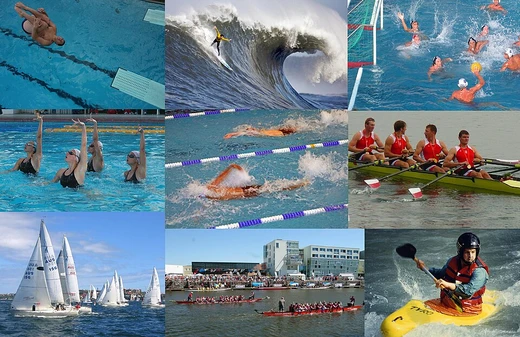
It covers the full range of organized physical activity, from Olympic-level competition in disciplines like swimming and track to casual pursuits such as hiking, cycling, and pickup ball games. The umbrella term bridges formal competitive sport and unstructured recreational movement done for health, fun, or social connection.
Who are the most universally recognized figures across sports history?
Athletes like Usain Bolt, Michael Phelps, Pelé, Serena Williams, and Muhammad Ali are routinely cited as defining names across different eras and disciplines. In the recreational world, cultural figures such as the inventors of popular activities and early fitness-movement leaders also hold lasting recognition.
Where should a complete beginner start exploring sports and recreation?
Most guidance suggests beginning with low-barrier options like walking, swimming, or a local pickup basketball game to discover what feels enjoyable before investing in gear or structured training. Community centers, public parks, and introductory classes at local gyms are the most common entry points.
Which sports see the highest participation worldwide?
Soccer, cricket, basketball, tennis, and swimming consistently rank among the most widely played competitive sports across continents. On the recreational side, running, cycling, and yoga have experienced particularly rapid growth over the past two decades.
What are the largest recurring sporting events on the calendar?
The Summer and Winter Olympic Games, the FIFA World Cup, and the Tour de France are among the most-watched and broadly covered spectacles in the sporting world. At the recreational level, events like the New York City Marathon and local 5K fun runs draw millions of participants each year.
What fundamental principles do most sports and recreational activities share?
Nearly all organized activities involve physical exertion, a defined set of rules or goals, and a structure that produces some measurable outcome. Fair play, mutual respect, and a degree of self-discipline are widely cited as shared cultural values regardless of the specific discipline.
What landmark moments are most often pointed to as shaping modern sports culture?
The 1936 Berlin Olympics, the 1999 Women's World Cup final, and the 2008 Beijing Games are frequently referenced as turning points in visibility, inclusion, and global reach. In recreation, the 1960s jogging boom and the 1990s rise of outdoor adventure culture are commonly noted as inflection points.
How do competitive and recreational sport differ in structure?
Competitive sport typically features formal leagues, standardized rules, certified officials, and ranked outcomes, whereas recreational activity prioritizes personal enjoyment, flexible pacing, and social interaction. Many people participate in both, using recreation for health and competition for measurable achievement.
What equipment is essential for getting started in most sports?
Proper footwear and comfortable, weather-appropriate clothing are the two most universally recommended starting items across nearly every discipline. Beyond that, requirements vary widely, ranging from a simple ball for soccer to specialized gear like helmets, paddles, or rackets for other activities.
How has technology changed sports and recreation in recent decades?
Wearable fitness trackers, video analysis tools, and online training platforms have made both competitive preparation and casual activity more data-driven and accessible than ever before. Virtual reality, e-sports, and smartphone apps that connect local leagues and running groups have further expanded what many people classify as sport and recreation.